

Google’s Pixel Tag Could Challenge Apple’s AirTag With a Smarter Tracking Experience for Android Users
Google is reportedly preparing the Pixel Tag, a smart item tracker powered by Find Hub that aims to compete directly with Apple’s AirTag and strengthen the Android ecosystem


Google appears ready to enter the fast-growing smart tracker market with the development of the Pixel Tag, a compact device designed to help users locate everyday belongings such as keys, wallets, backpacks and luggage. Although the company has yet to officially announce the product, multiple leaks suggest that its launch could be just around the corner, positioning it as Google’s first direct competitor to Apple’s AirTag.
The Pixel Tag is expected to integrate seamlessly with Find Hub, Google’s device and item tracking platform formerly known as Find My Device, allowing Android users to locate misplaced belongings through a vast network of connected devices. The move would expand Google’s hardware ecosystem while offering a native tracking solution similar to Apple’s popular AirTag.
A Native Tracker Built for Android
Unlike third-party Bluetooth trackers that rely on separate apps or limited ecosystems, Pixel Tag is designed to work directly with Google’s Find Hub network, giving Android users a built-in solution for tracking valuable personal items.
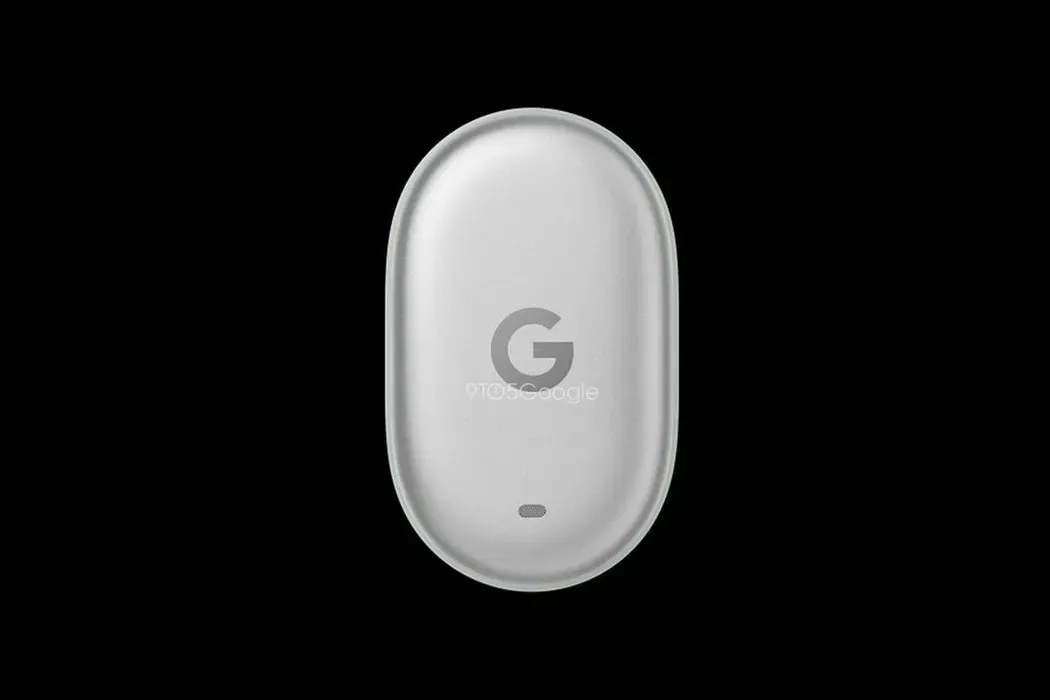
According to leaked product information, the tracker will feature a compact, lightweight and durable design that can be attached discreetly to everyday belongings. Users will reportedly be able to monitor an item’s location through their Android smartphone and activate a built-in speaker to help locate nearby objects more quickly.
Designed to Compete With Apple’s AirTag
Apple’s AirTag has dominated the smart tracker market since its launch, thanks largely to the company’s extensive Find My network and deep integration across the Apple ecosystem.
Google’s strategy follows a similar approach by leveraging Find Hub, which uses millions of Android devices worldwide to anonymously detect and relay the location of compatible trackers. With Android representing the world’s largest mobile operating system, Google has the potential to build one of the largest item-finding networks available.
Privacy Remains a Key Focus
One of the biggest challenges facing Bluetooth trackers has been preventing unwanted location tracking and stalking.
Leaked marketing materials indicate that Pixel Tag has been designed with user privacy and personal data protection in mind, although Google has not yet disclosed the specific security technologies the accessory will include.
Industry observers expect the company to continue supporting cross-platform protections developed jointly with Apple, which notify users when an unknown tracker appears to be traveling with them without permission.
Expected Features
Although Google has not officially confirmed the hardware specifications, leaked listings suggest Pixel Tag may include:
- Integration with Google’s Find Hub network
- Built-in speaker for nearby item location
- Compact and lightweight design
- Easy attachment to keys, bags, wallets and luggage
- Privacy-focused tracking protections
Some reports also speculate that the device could support Ultra Wideband (UWB) technology for more precise location tracking, though this feature has not yet been confirmed.
A Potential Launch Alongside the Pixel 11
The timing of recent leaks suggests Google could officially unveil the Pixel Tag during its upcoming Made by Google event, where the company is widely expected to introduce the Pixel 11 smartphone lineup alongside new Pixel hardware.
References to the tracker have already appeared in early Pixel 11 accessory listings, reinforcing speculation that the product is nearing its official debut.
Strengthening Google’s Hardware Ecosystem
The introduction of Pixel Tag would represent another step in Google’s broader strategy of expanding its portfolio of first-party hardware.
Over the past several years, the company has invested heavily in building a more cohesive ecosystem that includes Pixel smartphones, Pixel Watch, Pixel Buds, tablets and smart home devices. Adding a native tracking accessory would further integrate Android users into Google’s ecosystem while reducing reliance on third-party manufacturers.
The Competition in Smart Tracking Is Heating Up
The market for Bluetooth tracking devices has become increasingly competitive, with companies such as Apple, Samsung, Tile, Chipolo and Pebblebee offering solutions for locating misplaced items.
If Pixel Tag launches with broad support through Google’s global Android network, it could quickly become one of the strongest alternatives to Apple’s AirTag, especially for users who prefer a fully integrated Android experience.
While pricing, battery life and complete technical specifications remain unknown, the Pixel Tag already appears positioned to become one of Google’s most important accessory launches in recent years, potentially reshaping the smart tracker market for Android users.